

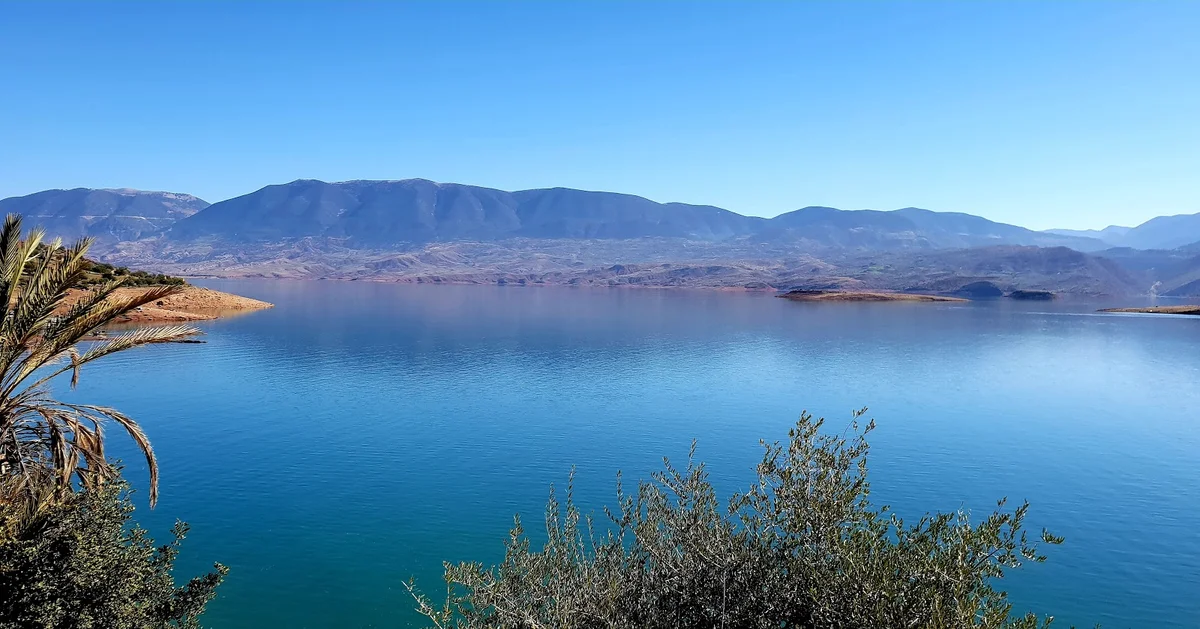
Have you ever dreamed of floating on the most beautiful lake in Morocco and then finding yourself back in a bustling metropolis within just a few hours? That’s exactly the magic of this journey. Picture this: one moment you’re breathing in the crisp mountain air, watching the sunset paint the reservoir in shades of gold and purple. The next, you’re sipping a final Moroccan mint tea at an airport café, already planning your return trip.
The route from Bin El Ouidane to Casablanca Mohammed V International Airport (CMN) is more than just a transfer—it’s the final chapter of an unforgettable Moroccan adventure. Whether you’re heading home after exploring the Middle Atlas gem or connecting to your next destination, this journey deserves to be comfortable, stress-free, and memorable for all the right reasons.
In this comprehensive guide, we’ll walk you through everything you need to know about traveling from this hidden paradise to Morocco’s busiest airport. We’ll cover transport options, pricing, things to do in both locations, and insider tips that will make your journey seamless. Ready to discover how to end your Moroccan adventure on the perfect note? Let’s dive in.
Why Travel from Bin El Ouidane to Casablanca Airport?
The Perfect Transition from Tranquility to Urban Energy
Bin El Ouidane is Morocco’s best-kept secret—a place where the Atlas Mountains embrace a stunning turquoise lake that seems almost too beautiful to be real. It’s the kind of destination that makes you want to extend your stay indefinitely. But eventually, all good things must come to an end, and when they do, you want your departure to be as smooth as your stay was peaceful.
Casablanca Mohammed V International Airport serves as Morocco’s primary aviation hub, connecting the country to destinations across Europe, Africa, the Middle East, and beyond. Making the journey from this serene mountain retreat to the airport is a transition you’ll want to handle with care.
What Makes This Route Special?
Scenic Contrast: The drive takes you from the dramatic gorges and valleys of the High Atlas through the agricultural heartland of the Tadla plain, gradually transitioning to the coastal urban landscape of Casablanca. It’s like watching Morocco’s geographic diversity unfold before your eyes.
Time Efficiency: The direct route covers approximately 256 kilometers, and with private transport, you can complete the journey in under three hours . That means you can enjoy a leisurely breakfast overlooking the lake and still make an afternoon international flight with plenty of time to spare.
Peace of Mind: When you have a flight to catch, the last thing you want is uncertainty. Pre-booking your transfer eliminates the stress of finding last-minute transport, negotiating prices, or dealing with language barriers when you’re on a tight schedule.
Who Takes This Route?
- Adventure travelers who’ve spent days hiking, swimming, and exploring the Bin El Ouidane area
- Culture enthusiasts combining a visit to the lake with Morocco’s imperial cities
- Business travelers who need efficient, reliable airport connections
- Families wanting a comfortable end to their mountain vacation
- Photographers who’ve captured the lake’s beauty and are heading to their next shoot
Travel Options & Pricing
When planning your journey from Bin El Ouidane to Casablanca Airport, you have several options. Let’s break them down so you can choose what works best for your budget, group size, and comfort preferences.
Public Transport Options
Bus via CTM
The most common public option involves taking a bus from Beni Mellal (the nearest major town) to Casablanca. Buses run every four hours, and the journey takes about 3 hours 30 minutes from Beni Mellal . However, you first need to get from Bin El Ouidane to Beni Mellal—a trip of about an hour through winding mountain roads.
- Cost: $13–20 for the bus ticket
- Total travel time: Approximately 5 hours 45 minutes including the connection
- Pros: Budget-friendly, reliable operator
- Cons: Multiple connections, luggage challenges, fixed schedules
Bus and Train Combination
For the truly budget-conscious, you can take a bus from Beni Mellal to Khouribga, then catch a train to Casablanca’s Oasis station, and finally take a taxi or train to the airport.
- Cost: $38–62 for the combined journey
- Total travel time: Approximately 7 hours 5 minutes
- Pros: Experience Morocco’s train system
- Cons: Multiple transfers, longer journey, complex with luggage
Driving Yourself
If you’ve rented a car for your Moroccan adventure, driving yourself is an option.
- Cost: $55–79 for fuel
- Travel time: 2 hours 57 minutes
- Pros: Flexibility to stop along the way
- Cons: Navigation challenges, airport parking costs, returning rental cars
Private Transfer Services
This is where the journey becomes truly comfortable. Private transfers offer the perfect balance of convenience, comfort, and reliability.
Economy Sedan
Perfect for solo travelers or couples with modest luggage.
- Vehicle examples: Skoda Octavia, Toyota Prius or similar
- Capacity: 3 passengers with 3 bags
- Best for: Budget-conscious travelers who still want door-to-door service
Standard Class
The sweet spot for most travelers—comfortable, professional, and affordable.
- Vehicle examples: Mercedes E Class, BMW 5 Series, Cadillac XTS or similar
- Capacity: 3 passengers with 3 bags
- Best for: Business travelers, couples wanting extra comfort
First Class / Luxury
When only the best will do for your final impression of Morocco.
- Vehicle examples: Mercedes S Class, BMW 7 Series, Audi A8, Cadillac Escalade
- Capacity: 3 passengers with 3 bags
- Best for: Special occasions, executives, luxury travelers
SUV
Extra space and commanding views of the passing scenery.
- Vehicle examples: Cadillac Escalade, Chevrolet Suburban
- Capacity: 6 passengers with 6 bags
- Best for: Families, groups wanting to travel together
Van Standard
The practical choice for medium-sized groups.
- Vehicle examples: Mercedes Vito, Ford Custom
- Capacity: 7 passengers with 7 bags
- Best for: Tour groups, large families
Van First Class
Premium group travel at its finest.
- Vehicle examples: Mercedes V Class
- Capacity: 6 passengers with 6 bags
- Best for: VIP groups, corporate retreats
Minibus Options
For the largest groups or those with serious luggage.
- 12-passenger: Mercedes Sprinter or similar
- 16-passenger: Mercedes Sprinter or Ford Transit
- Best for: Large tour groups, sports teams, event transfers
Why Choose Private Transfer?
Flight Monitoring: Professional services track your flight and adjust pickup times accordingly—no stress if your plane is delayed.
Meet and Greet: Your driver waits with a name sign, helps with luggage, and ensures a smooth start.
Fixed Pricing: What you see is what you pay—no surprises, no haggling, no detours.
Comfort and Safety: Licensed, insured vehicles with professional drivers who know the roads .
Best Attractions in Bin El Ouidane
Before you head to the airport, make sure you’ve experienced the best of what this remarkable destination offers. Bin El Ouidane isn’t just a stopover—it’s a destination in its own right that deserves exploration.
Lake Bin El Ouidane: Morocco’s Aquatic Jewel
Nestled in the heart of the Middle Atlas at an altitude of more than 800 meters above sea level, Lake Bin El Ouidane sparkles like a rare aquatic jewel . Stretching over approximately 4,000 hectares, this artificial lake has become one of Morocco’s most beautiful landscapes .
What makes this lake so special? It’s the color. The water shimmers in shades of turquoise and deep blue, framed by rugged mountains that shift from green in spring to white when blanketed with snow in winter . It’s the kind of view that makes you reach for your camera every few minutes.
The Dam Story: The lake exists because of the Bin El Ouidane Dam, one of Morocco’s largest irrigation and hydroelectric projects. Standing more than 130 meters high and spanning over 290 meters, the dam was built in the 1940s and officially inaugurated in 1953 . It stores the waters of Oued El Abid to irrigate the fertile Tadla plains below.
Water Sports and Activities
This isn’t just a lake you look at—it’s a lake you experience.
Boating and Water Sports: The lake has established itself as Morocco’s premier destination for water sports. Sailing, kayaking, pedal boats, jet skiing, and windsurfing are all available, with ideal conditions thanks to regular winds and the expanse of open water . Several water sports clubs offer equipment rental and introductory lessons.
Fishing Paradise: Anglers, take note. The lake teems with fish species including trout, black bass, perch, and carp . International fishing competitions are held here regularly, drawing enthusiasts from around the world who come to challenge the record-sized carp and lake trout in this exceptional mountain setting .
Swimming: On warm days, the crystal-clear waters invite you for a refreshing dip. Just find a quiet spot along the shore and immerse yourself in the cool mountain water.
Hiking and Nature Trails
The trails encircling the lake offer hikes for all levels. Ambitious walkers can complete the full circuit of the lake—about 28 kilometers—while families can enjoy easy walks to hidden coves . These paths reveal unique viewpoints over the lake and its surrounding mountains that you won’t find from the road.
Mountain Biking: The forest tracks and high-altitude passes are perfect for mountain biking, combining physical effort with panoramic discoveries . It’s an eco-friendly way to explore that respects the natural balance while delivering authentic sensations.
Bird Watching: The steep banks, covered with holm oaks and junipers, provide preserved habitats for birds including herons, kingfishers, coots, and wild ducks . Birdwatchers will find this an exceptional site for observation.
Nearby Villages and Culture
The beauty extends beyond the lake to the mountains surrounding it. Small villages like Ait Mazigh and Ouizguit preserve ancient Amazigh (Berber) traditions, where locals continue their simple lives in harmony with farming and livestock .
Visiting these villages offers a glimpse into rural Moroccan life that has changed little over centuries. The hospitality is genuine, and you may be invited for tea if you show genuine interest and respect.
Ouzoud Waterfalls
Just 60 kilometers away (about an hour and twenty minutes by car), the Ouzoud Waterfalls are among Morocco’s most famous natural attractions . These stunning cascades drop more than 100 meters into a rocky gorge, surrounded by lush vegetation and frequented by troops of Barbary macaques.
If you have an extra day before your flight, combining Bin El Ouidane with Ouzoud makes for an unforgettable nature experience. Many visitors consider this the highlight of their Morocco trip.
Best Time to Visit Bin El Ouidane
The lake is beautiful year-round, but each season offers something different:
Spring (March to May) : The slopes become carpets of wildflowers, temperatures are mild, and the landscape is at its greenest . This is arguably the most beautiful time to visit.
Summer (June to August) : Perfect for water sports and swimming. The mountain altitude keeps temperatures pleasant even when the lowlands are scorching.
Autumn (September to November) : Clear skies, comfortable temperatures, and fewer visitors. Ideal for hiking and photography.
Winter (December to February) : The peaks are dusted with snow, creating dramatic contrasts with the blue water . Crisp, clear days offer spectacular views, though nights are cold.
Best Restaurants & Hotels in Bin El Ouidane
After days of hiking and water sports, you’ll need good food and comfortable accommodation. Here’s where to find both.
Where to Eat in Bin El Ouidane
The cuisine here combines mountain simplicity with the generosity of Amazigh hospitality. It’s food that reflects the bond between people, land, and water .
Local Specialties to Try:
Tagine with Dried Fruits: On the lake’s banks or in guesthouses scattered across the area, visitors are welcomed with tagines that exude the aroma of tender meat slowly cooked with dried figs or black prunes . The blend of sweet and savory follows recipes passed down through generations.
Amazigh Couscous: On Fridays, couscous takes center stage, decorated with pumpkins and seasonal vegetables grown in fields around the lake. Sometimes it’s prepared with “mountain greens” gathered from nearby pastures, giving it a unique flavor you won’t find in big cities .
Freshwater Fish: Fish lovers shouldn’t miss dishes prepared from freshly caught lake fish. Whether grilled over charcoal or cooked in tagines rich with local spices, it’s as fresh as it gets .
Mountain Herb Tea: The tea experience here goes beyond the mint tea Morocco is famous for. Bin El Ouidane stands out with teas infused with mountain herbs such as thyme, rosemary, and wormwood, often picked from surrounding slopes . Many visitors consider this tea the “endnote of the trip”—a sensory memory that lingers long after leaving.
Where to Eat:
Most accommodation options have their own restaurants, and they’re generally your best bet. Meals are often served on terraces overlooking the lake or amidst orchards, where mountain breezes mingle with the steam of tagines .
For a truly memorable experience, ask your host about having a meal prepared and served outdoors with a view of the sunset over the lake. It’s magic.
Where to Stay in Bin El Ouidane
Bin El Ouidane offers accommodation options for every budget and style .
Hotels and Resorts:
Several hotels and resorts overlook the lake, equipped with swimming pools and restaurants. These offer the most comfort and amenities, perfect for travelers who want to relax in style.
Rural Guesthouses:
For a more authentic experience, rural guesthouses are the way to go. Prices typically range between 300 and 800 dirhams per night, depending on the season . Hosts welcome visitors as one of their own, and the experience often includes home-cooked meals and insider tips on exploring the area.
Ecolodges:
The lakeshores now host ecolodges and hotel residences built according to sustainable architecture principles . These establishments offer direct panoramic views of the lake while integrating harmoniously into the mountain landscape.
Camping:
For adventure lovers, regulated wild camping allows for total immersion: nights under the stars facing the shimmering water, waking with the first rays of sun on the peaks—a perfect communion with the lake nature . This minimalist approach appeals to authenticity seekers.
Booking Tips:
- Book ahead during summer and holiday periods
- Ask about rooms with lake views—they’re worth the extra cost
- Confirm if meals are included, as dining options are limited outside accommodations
- Check if your host can arrange activities like boat rentals or guided hikes
Best Attractions in Casablanca
If you have time before your flight—or if you’re spending a night in Casablanca—the city offers surprising treasures. While it may not have the same volume of historic sites as Morocco’s imperial cities, those it has are truly special .
Hassan II Mosque: An Architectural Masterpiece
Opened in 1993, this mosque with its soaring green minaret is one of the largest in Africa . It’s also the only mosque in Morocco where non-Muslims can visit the interior .
What Makes It Special:
- The minaret stands 210 meters high—the world’s tallest religious structure
- It’s built partly over the Atlantic Ocean, visible through a glass floor in the prayer hall
- On fair-weather Fridays, the roof retracts to open to the sky—the “Gate of Heaven”
- The craftsmanship is extraordinary: pink granite from Agadir, carved cedar wood from the Atlas Mountains
Visiting Tips:
- Guided tours lasting about 45 minutes are offered around prayer times
- You’ll need to remove your shoes (bags are provided to carry them)
- Dress modestly: cover shoulders, torso, and knees
- Book in advance for the hammam underneath the mosque—once reserved for royalty, now open to the public
Quartier Habous: A Step Back in Time
A stroll around this charming neighborhood takes you back to Casablanca in the 1930s . Close to the Royal Palace, it’s a well-preserved community of narrow streets, archways, and souq stalls selling brassware, books, rugs, and artwork.
Don’t Miss:
- Mahakama du Pacha: Best visited with a guide who can guarantee entrance and explain the intricate Islamic architecture
- Pâtisserie Bennis: Stop here for traditional Moroccan sweets or savory pastilla
- Café Imperial: Join locals for tea at tables that spill onto the street
The Corniche and Ain Diab
Casablanca’s beachfront promenade comes alive at sunset and on weekends. Bordered by cafes and restaurants, it’s the place to see and be seen.
Ain Diab Beach: The city’s most popular sandy beach, perfect for a stroll or watching the sunset . The beach clubs in upscale Dar Bouazza rent loungers if you want to relax in style .
Sunset Views: End your day with a sunset stroll along the Corniche to watch the pink hues illuminate Hassan II Mosque as the sun drops into the ocean .
The Old Medina
A little quieter than those of Fez or Marrakech, Casablanca’s medina offers a more relaxed souk experience . Its snaking, cobbled streets are full of vendors serving fresh fish sandwiches and syrup-coated sweets stuffed with dates.
Plastic tables and chairs fill the larger squares, where visitors while away the hours sipping coffee from miniature glass cups . It’s authentic, unfiltered Casablanca.
Museums and Culture
Museum of Moroccan Judaism: The only Jewish museum in the Arab region, it walks visitors through the history of Jews in Morocco through fascinating exhibits .
Villa des Arts: A stunning art deco villa with pretty gardens, filled with contemporary art and regularly hosting cultural events .
Casablanca Memory Museum: Showcases the city’s urban and social history through rotating exhibitions in a beautifully renovated villa .
Rick’s Café: Hollywood Fantasy
Yes, it’s a reconstruction based on the 1942 movie Casablanca. Yes, it’s touristy. But visiting for a pre-dinner cocktail at the bar is still a fun experience . The piano player, the ambiance, the “Play it again, Sam” vibe—it’s a piece of Hollywood history transplanted to North Africa.
Street Art and Modern Culture
Casablanca’s creative spirit shows in its street art. Avant-garde designs depicting extraterrestrial life forms line the Corniche promenade . Nevada Skatepark, one of Africa’s largest, features bold pieces including “A Glitch In The Skatepark” by local artist Abidwane .
Best Restaurants & Hotels in Casablanca
Where to Eat in Casablanca
Casablanca’s food scene is fast evolving and worth discovering . The city’s ocean location means fish and seafood are fresh and prominent on most menus .
Traditional Moroccan:
Dar Dada: A courtyard restaurant serving hearty chicken tagine and other Moroccan classics in an ornately decorated traditional house .
Dar el Kaid: Another excellent choice for authentic dishes like couscous and rfissa (stewed chicken, lentils, and onions with flatbread or pastry) .
Saveurs du Palais: An intimate restaurant in the Maârif district where guests settle on low cushioned seating to enjoy chicken pastilla and slow-cooked lamb tagine .
Seafood:
Le Cabestan: Ocean-view dining with elegant seafood preparations. Perfect for a special meal before your flight.
Marché Centrale: The city’s fish market offers plastic tables and the freshest possible seafood at budget-friendly prices .
International and Fusion:
Iloli: A popular Japanese restaurant with an elegant sushi bar .
Table 3: Contemporary fine dining where Moroccan chef Faycal Bettioui crafts culinary journeys through tasting menus .
Le Doge: Great for meeting friends for tapas and a drink on the rooftop; its fine dining establishment, Le Jasmine, is exquisite for a treat .
Cafes and Casual:
Pâtisserie Bennis Habous: The ornate wooden doorway leads to almond-filled kaab el ghazal (gazelle horns) and other delectable Moroccan pastries .
Where to Stay in Casablanca
Luxury:
Royal Mansour Casablanca: About a 40-minute drive from the airport, this stunning property offers double rooms from around 5,655 MAD (£460) . You don’t need to be a guest to enjoy the spa—it has its own traditional Moroccan hammam, a marble bathhouse where guests are scrubbed, washed, and massaged .
Four Seasons Casablanca: Beachfront luxury with exceptional service and views of the Atlantic.
Mid-Range:
Kenzi Tower Hotel: Housed in one of the Twin Center towers, offering spectacular city views and comfortable rooms.
Idou Anfa Hotel: A classic Casablanca hotel with an outdoor pool and central location.
Budget:
Most of Casablanca’s hostels and budget hotels are near the port . They’re basic but clean and convenient for travelers watching their budget.
Riads:
For a more traditional experience, several riads (traditional houses with interior courtyards) have been converted to guesthouses. They offer charm and authenticity that chain hotels can’t match.
Pro Travel Tips
Best Times to Book
For Transfers: Book your airport transfer as soon as your flight is confirmed. During peak seasons (spring and autumn, plus summer holidays), private vehicles book up quickly .
For Accommodation: Bin El Ouidane guesthouses fill fast on weekends and during Moroccan school holidays. Book at least a week in advance during these times.
Flight Timing: Allow at least 3 hours before your international flight when scheduling your pickup. The drive takes under 3 hours, but traffic around Casablanca can be unpredictable, especially during rush hour (7-9am and 5-7pm) .
What to Wear
Modesty Matters: Morocco is a conservative country. Both men and women should ensure clothes cover shoulders, décolletage, thighs, and stomach. Clothes shouldn’t be see-through or form-fitting . It’s not acceptable for either sex to wear sleeveless tops or short skirts and shorts in public .
For Women: Long, loose-fitting skirts, dresses, and pants that cover most of your legs and arms are ideal. Women aren’t required to wear a veil, but you can wear a headscarf if you like . A light scarf is a fantastic accessory—you can use it to cover your head or shoulders when needed, without baking in summer heat .
For the Lake: Swimwear is fine at the beach or lake, but always cover up when you leave, even if you’re just heading back to your accommodation . Never wear your swimsuit anywhere other than the water.
Local Customs to Know
The Right Hand Rule: Moroccans eat with their hands rather than knife and fork—and you should give it a go. Be careful to only use your right hand, as Muslims only eat with their right hand. The left hand is considered unclean as it’s the hand used for the toilet .
Mint Tea Ritual: Mint tea is more than a drink—it’s a gesture of hospitality. Refusing can come off as rude . Accept with a smile and take a few polite sips even if you’re not thirsty .
Photography Etiquette: Always ask before photographing people, especially women and elders . Many Moroccans are uncomfortable being photographed due to religious beliefs, cultural norms, or privacy concerns. Learn the phrase “Nimkin nsowrek?” (Can I take your photo?)—the effort is appreciated even if your pronunciation isn’t perfect .
Haggling in Souks: Haggling is expected and encouraged. Think of it as a friendly exchange rather than a battle of wills . Start by offering about half the asking price and work your way up. Keep it lighthearted, smile, and be polite . Anywhere from 20 to 50% off the starting price is usually a good deal .
Respect Religious Customs:
- Prayer times occur five times daily—avoid loud conversations during these sacred moments
- Fridays are holy days; many businesses close for midday prayers
- Most mosques are off-limits to non-Muslims unless clearly signposted (Hassan II Mosque is the main exception)
- During Ramadan, avoid eating, drinking, and smoking in public during daylight hours
Money Matters
Currency: Moroccan Dirham (MAD). Cash is still widely used for tips, petits taxis, and street stalls .
Typical Costs :
- Night at a central three-star hotel: from Dh600 (US$67)
- Single tram or bus journey: Dh5 to Dh8 (US$0.50 to US$0.90)
- One-way 2nd-class train ticket between airport and city: Dh60 (US$6.50)
- Cappuccino: Dh30 (US$3.30)
- Chicken tagine at a licensed restaurant: Dh160 (US$17.75)
Tipping: Tip 10-15% to service staff in cafes, restaurants, museums, hotels, and porters. Taxi drivers don’t expect a tip, but it’s appreciated .
Airport Information: Mohammed V International Airport (CMN)
Location: About 30 kilometers southeast of Casablanca .
Getting to the City: Trains depart hourly from within the terminal building. Buy ONCF tickets online in advance or from the ticket office. Journey time is 35-45 minutes .
Airport Taxi: Fixed fares between Dh300-400 (US$33-44) depending on destination and time .
Facilities:
- Multiple lounges (accessible through Priority Pass or business class tickets)
- Currency exchange and ATMs
- Duty-free shopping
- Restaurants and cafes (including traditional Moroccan options)
- Free Wi-Fi
- Prayer rooms
- Hotel desks for last-minute bookings
Layover Tips: If you have a long layover, consider the airport hotel or even a quick trip to nearby Casablanca if you have 6+ hours. The train makes it feasible.
Language
Main Languages: Moroccan Arabic (Darija) is primary. French is widely spoken in business and administration. English is common in tourism but less so in rural areas .
Useful Phrases :
- Salam Alaikum (sahl-ah-moh al-ay-koom) – Hello (actually means “Peace be upon you”)
- Wa alaikum assalam (wa-uh-lay-kuh-mu s-sa-laam) – Hello in response
- Shukran (shook-ran) – Thank you
- Min Fadlak (min fad-lik) – Please
- La shukran – No, thank you
- Bslama – Goodbye/See you later
- Bikam yakuluf? – How much does it cost?
Safety
Casablanca has a low crime rate and is a safe, welcoming city for travelers . Standard precautions apply:
- Dress modestly to avoid unwanted attention
- Keep valuables out of sight
- Avoid unlicensed taxis
- Be aware of your surroundings in crowded areas
- Don’t flash expensive jewelry or electronics
Special Offers and Seasonal Considerations
Summer (June-August) : Jazzablanca music festival takes over the city with nine days of international performances . Accommodation prices rise, so book well ahead.
Spring and Autumn: The best times for combined lake and city visits. Mild temperatures, clear skies, and fewer crowds.
Winter: Lowest prices and fewest tourists. The lake may have snow-capped peaks—spectacular for photography.
Ramadan: Prices may be lower, but many restaurants close during the day. Evening iftar meals are special occasions—if invited, it’s a great honor .
Book Your Ride Today!
Your Moroccan adventure deserves a ending as beautiful as its beginning. From the tranquil turquoise waters of Bin El Ouidane to the bustling energy of Casablanca, every mile of this journey tells a story.
Don’t leave your airport transfer to chance. Pre-book your private ride and travel with confidence, comfort, and style. Whether you choose an economy sedan for solo travel, a luxury vehicle for that special touch, or a minibus for the whole group, professional drivers ensure you arrive relaxed and on time.
Ready to book your seamless transfer from Bin El Ouidane to Casablanca Airport?
👉 Book your Bin El Ouidane to Casablanca Airport transfer here
